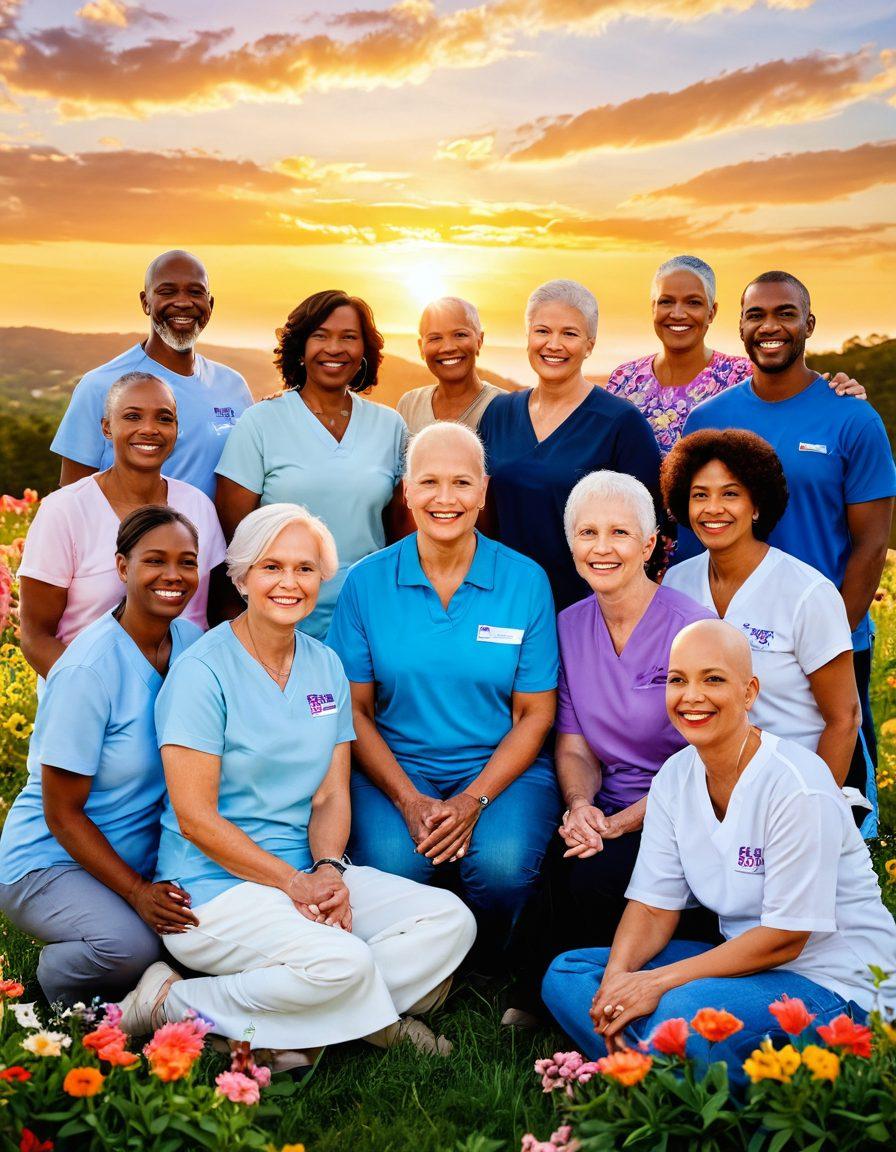
Empowering Survivorship: Essential Insights on Cancer Treatments and Patient Advocacy
Navigating the cancer journey is akin to sailing through a relentless storm, where waves of uncertainty crash against your resolve. Whether it’s a diagnosis of carcinoma or an unexpected tumor, the emotional toll is profound. However, amidst these turbulent waters, there are essential treatments and empowering resources that can anchor you. With the right information at your fingertips, you can transform from a passive patient into an engaged advocate, not just for your health, but for survivorship as a whole. Are you ready to uncover the insights that can lead the way to reclaiming your wellness?
In the ever-evolving field of oncology, treatments have come a long way—from traditional chemotherapy and radiation therapy to advanced immune therapy and other emerging therapies. Each case of malignancy presents a unique challenge, and understanding the different cancer treatments available is vital. For instance, do you know the difference between palliative care, which focuses on comfort, and curative treatments aimed at eradicating disease? The nuances can be overwhelming, yet essential to comprehend. Look upon this knowledge as your compass in the healthcare landscape, guiding your decisions and choices that resonate with your personal journey.
The importance of early detection can’t be overstated in the fight against cancer. By familiarizing yourself with the signs and symptoms and committing to routine screenings, you're not just playing defense against illness; you are actively participating in disease prevention. It reminds me of a quote I once heard, "An ounce of prevention is worth a pound of cure." However, what happens when a diagnosis is made? This is where knowledge about effective patient resources, support groups, and health education shines as bright as a lighthouse amid the fog. Engaging with others who share similar journeys can be a powerful motivator, a reminder that no one is alone in this battle.
Psychosocial support can play an equally pivotal role in survivorship. The emotional impact of a cancer diagnosis can often haunt patients long after treatment has ended. Have you considered how psychological wellness intertwines with physical health? Incorporating lifestyle changes, such as mindfulness practices, exercise, and nutrition can work wonders alongside traditional cancer treatments. It creates a holistic approach that boosts your physical resilience while nurturing your mental state—two elements that are vital for combating the side effects of therapies like chemotherapy and radiation therapy.
As you chart your course through the cancer journey, embrace the role of a patient advocate. Researching clinical research studies in your area can unearth cutting-edge therapies that may not yet be widely available. Not only can this give you access to promising treatments, but it also empowers you to contribute to cancer awareness and education. With each step forward, you're not just enhancing your survivorship experience, but also paving the way for future patients. So, take a deep breath, gather your resources, and navigate with confidence—your health journey is a profound testament to resilience and hope.
Advocacy in Action: Transforming Cancer Care Through Community Support and Wellness
Imagine standing at the edge of a dark forest, a maze of uncertainty before you. You feel the weight of fear and doubt as you navigate through the complex pathways of a cancer diagnosis. Yet, glimmering faintly in the distance is a beacon of hope - a community of advocates ready to support you every step of the way. Advocacy in cancer care is more than just a buzzword; it is a collective effort to transform the landscape of oncology, empowering patients to take charge of their journey. It’s a vital part of survivorship that not only emphasizes the importance of treatment options but also underscores the role that community support plays in wellness and disease prevention.
As we delve deeper into the story of cancer care, we must recognize the significant strides we've made through patient advocacy. This movement relies on the voices of individuals and organizations that tirelessly push for advancements in clinical research and effective cancer treatment options, from chemotherapy to immune therapy. Will you join us in fostering a culture that prioritizes early detection and continuous education about malignancies such as carcinoma? When we come together, we can advocate for improved patient resources that promise a brighter future for those affected by cancer.
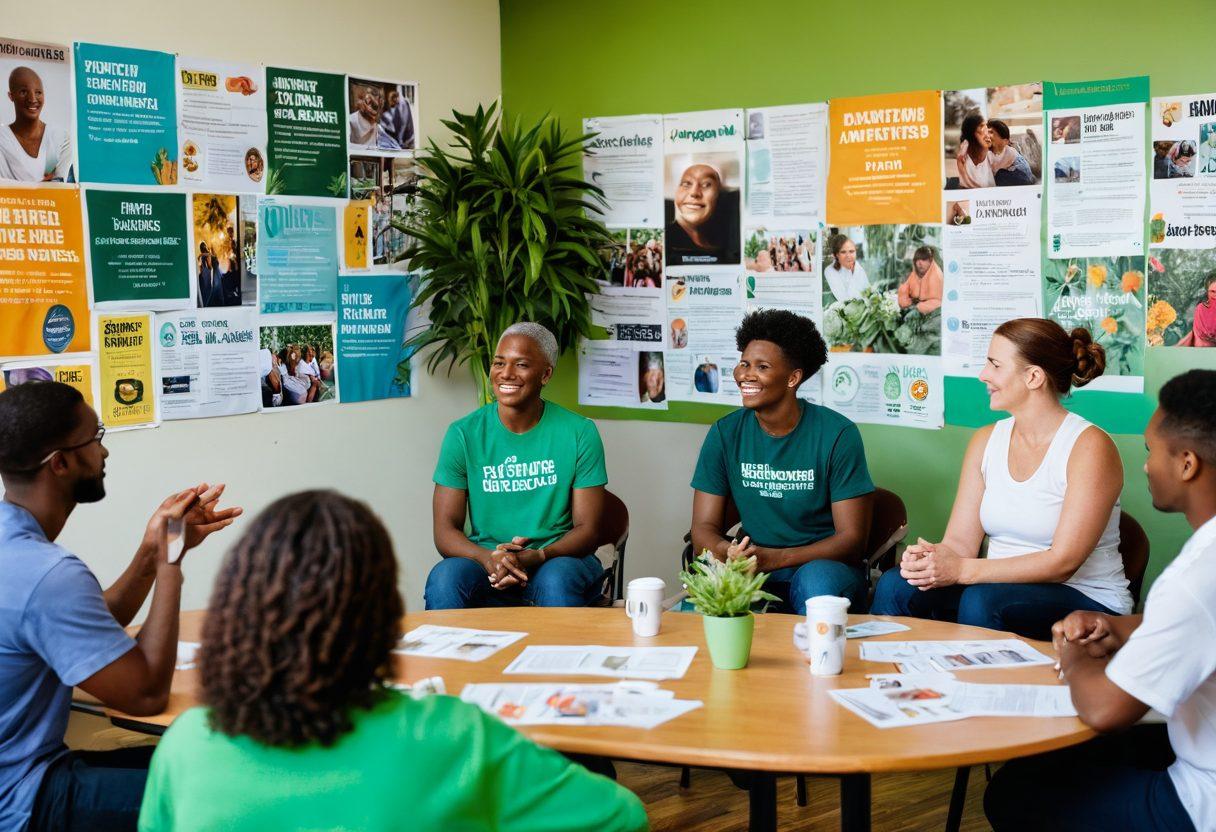
Moreover, let’s not forget the invaluable role of support groups in this advocacy narrative. These gatherings go beyond the exchange of medications and therapies; they serve as safe havens where individuals exchange stories of resilience, share experiences, and seek psychosocial support. What could be more profound than standing shoulder to shoulder with someone who understands the battles you're facing? Whether it’s discussing the intricacies of radiation therapy or the emotional toll of a diagnosis, these support networks can provide essential insights that pave the way for holistic healing and wellness.
Our journey doesn’t end with just seeking the right treatment options. It intertwines with lifestyle changes that can significantly boost one’s overall health. From nutrition to stress management, the choices we make can enhance our quality of life. How can we cultivate healthy habits that empower us during and after treatment? These acts of self-care and wellness are not merely suggestions; they are pivotal steps in reclaiming our lives post-cancer. Every small change, every positive action matters as it contributes to a larger movement of survivorship and health education.
In the end, advocacy in action is not just about supporting treatments; it's about creating a sustainable ecosystem of care that champions patient voices and elevates collective awareness. Every story shared, every voice raised contributes to a future where cancer survivors aren’t just defined by their disease, but rather by their strength, resilience, and community support. So, let’s stand together, educate ourselves on the realities of cancer, and become advocates for survivorship. Together, we can transform cancer care and make it a journey of empowerment rather than despair.
From Diagnosis to Survivorship: Essential Strategies for Effective Cancer Management
In the journey of battling cancer, from the moment of diagnosis to achieving survivorship, every step is laden with challenges and triumphs. It's a path marked by decisions that can be overwhelming, yet it offers a unique opportunity for growth and empowerment. The realm of oncology is complex, encompassing various malignancies, including carcinoma, yet understanding some essential strategies can pave the way for effective cancer management and wellness. How do we navigate this journey? What insights can transform anxiety into confidence? Let's delve deeper into the nuances of survivorship and patient advocacy.
The first step in managing cancer effectively is to understand the diagnosis. It’s not just a word; it carries weight, worry, and often fear. However, armed with knowledge, patients can combat this fear with informed decisions. Early detection is pivotal in oncology; catching a tumor at its nascent stage can drastically change the narrative. For instance, awareness about the signs leading to a carcinoma diagnosis can prompt proactive measures, allowing for therapeutic interventions such as chemotherapy or immune therapy to take effect. Imagine being able to arm not just yourself but your loved ones with the knowledge that could change lives.
Cancer treatment doesn’t end when the last therapy session concludes. It transitions into a broader narrative about survivorship—this is where patient advocacy comes into play. By participating in support groups, individuals can share their experiences, allowing collective wisdom to flourish while ensuring that no one walks this path alone. Conversations around psychosocial support become incredibly vital as patients navigate their emotions, sharing bittersweet stories of triumph and hope. What joys and sorrows have you encountered on your own journey? Have they shaped your perspective on life and wellness?
As we explore the healthcare landscape, it’s crucial to highlight the importance of clinical research in evolving cancer therapies. Innovative treatments emerge regularly, and staying informed can encourage a proactive stance on health education. For example, understanding advanced techniques such as radiation therapy or palliative care options available can empower patients in discussions with their healthcare teams. Have you ever thought about how knowledge empowers not just the patient but the entire family? Engaging with patient resources effectively can unravel many uncertainties that arise from the complexities of a diagnosis.
Finally, consider incorporating lifestyle changes that support cancer prevention and wellness. This involves small yet significant steps, like adopting a balanced diet, embracing physical activity, and nurturing mental health. These changes are not only beneficial during treatment; they establish a resilient foundation in survivorship. Each aspect of life weaves into the fabric of our health, creating a potent force against the disease. Ultimately, the quest for wellness continues beyond the doctor's office—how have you prioritized your health and what changes can you implement today to enhance your journey toward thriving and surviving?